


“AI music” can mean many different things now.
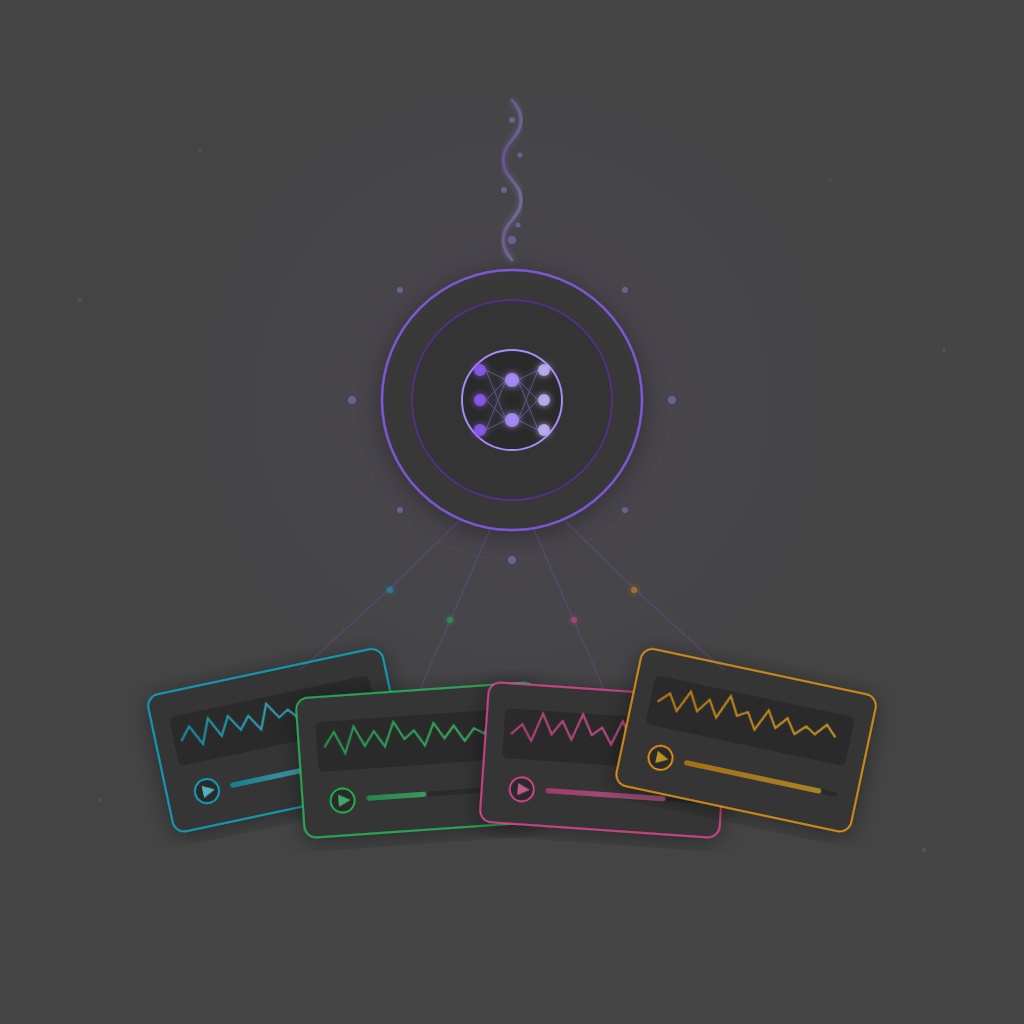
With some platforms, you can type in a prompt and get a finished song in 20 seconds. With others, you can write your own melody and use AI to perform it or record a vocal and completely alter its timbre to sound like a different person.
It’s not so much a question of whether AI was involved anymore, but how AI was involved. After all, even the three examples above, which are just the tip of the iceberg, are three very different creative processes.
With AI’s ever-increasing popularity in music production, we thought it was worth talking about ethical AI music creation and all the moving parts involved, including authorship, creative control, training data, copyright, and how the Dreamtonics team draws the line between assisting musicians and replacing musicians.
Generators vs. instruments: The difference that matters
An AI music generator creates musical material for you, while an AI-powered instrument performs or transforms musical material you provide.
Whenever I’m looking at some new software and trying to compare generative AI music vs instruments, my first thought is, “Who in the scenario is making the musical decisions?”
A generator might decide one or many variables in a composition, including the melody, harmony, arrangement, instrumentation, or the finished audio. With an instrument, YOU make those musical decisions. You write the notes or provide the original performance, and give AI a specific job within those parameters, like changing the tone of a vocal or recreating an acoustic instrument.
Of course, there are certain tools that blur the lines by allowing you to take both approaches, but that’s the gist.
What an AI music generator does
With an AI music generator, you might start by describing a genre, mood, a style of instrumentation, or the kind of track you want. You can also provide lyrics or other in-depth creative direction.
From there, the model can generate much of the music itself.
Depending on the platform, you may be able to pick between different versions, regenerate specific sections, extend the track, remix it, or work with individual stems afterward.
There’s still human creativity involved. You’re choosing a prompt, picking the best takes, making arrangement decisions, and finishing the production, sometimes with additional manual work.
The main difference is that some of the musical material comes from the model’s decisions instead of what you created from scratch.
What an AI-powered instrument does
With an AI-powered instrument, you’re in charge of writing and directing the performance.
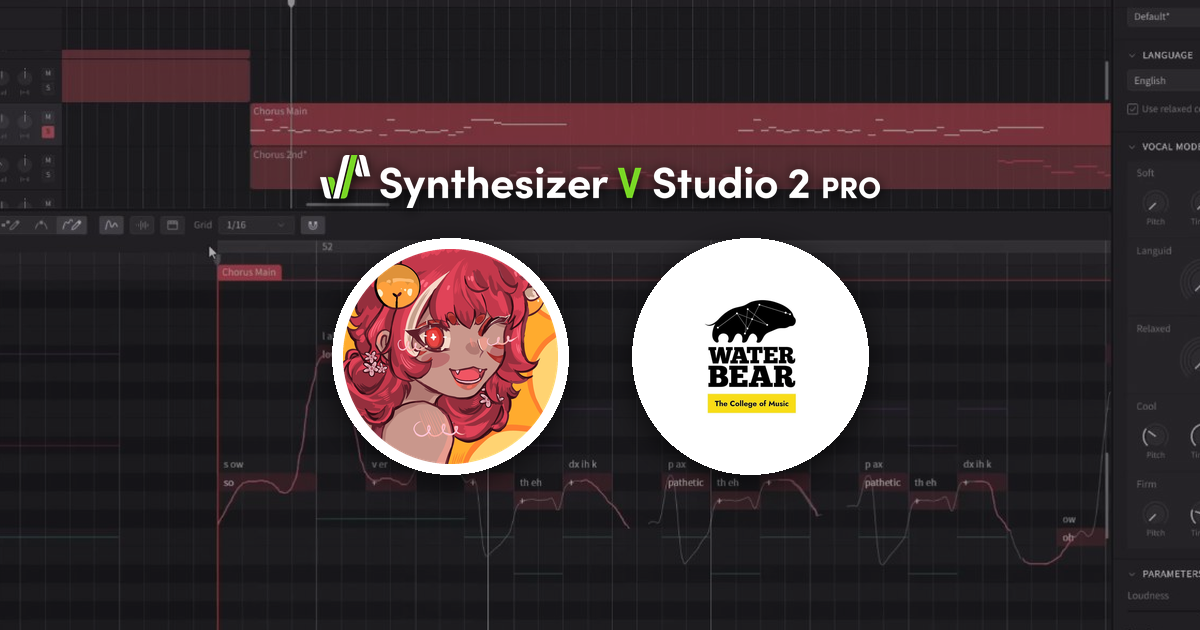
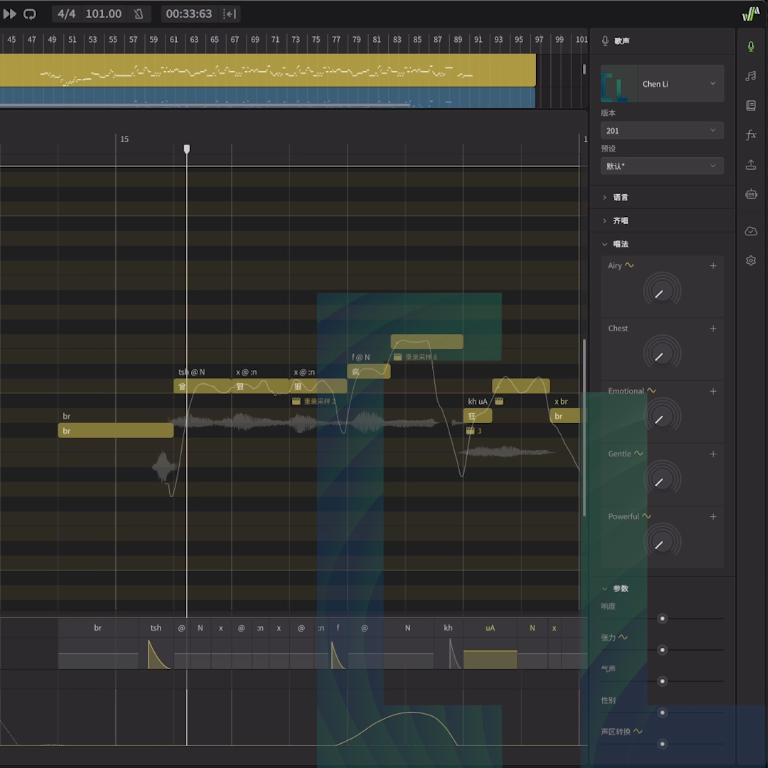
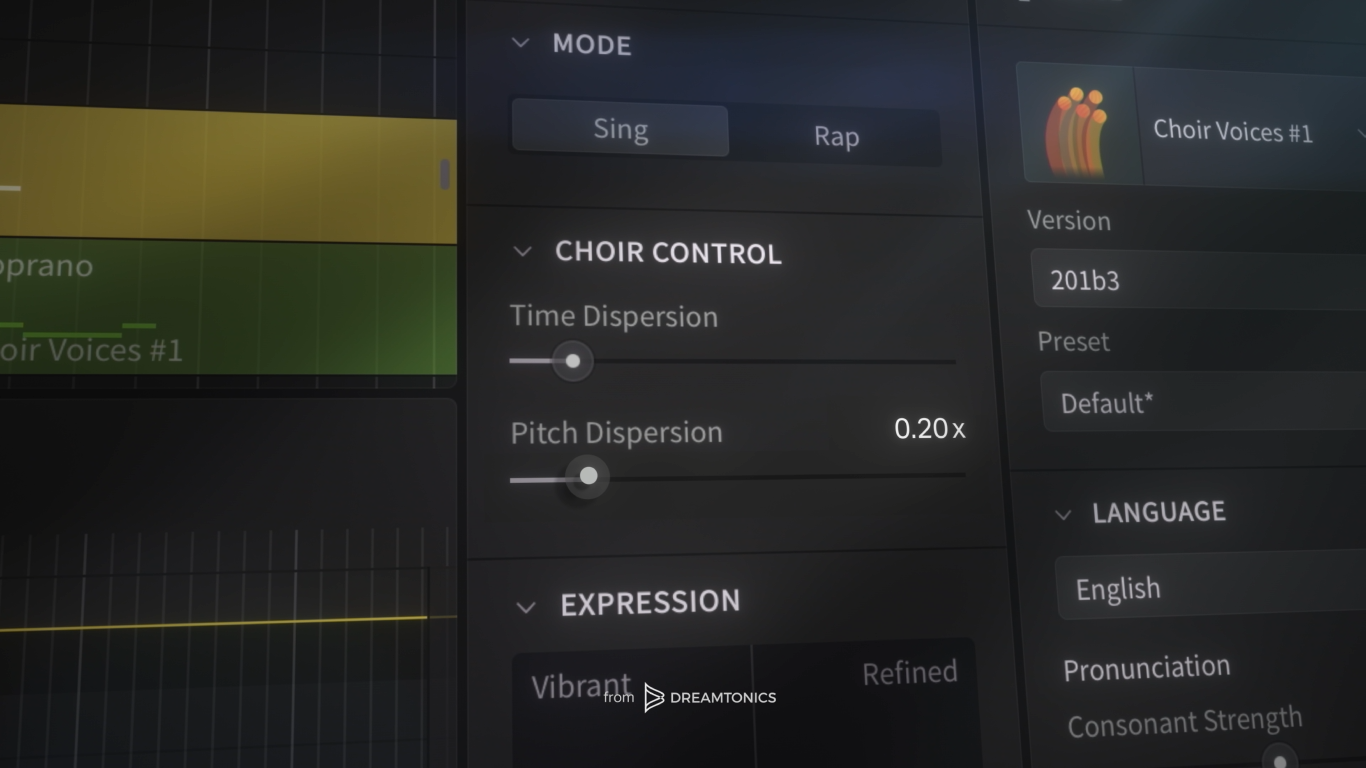
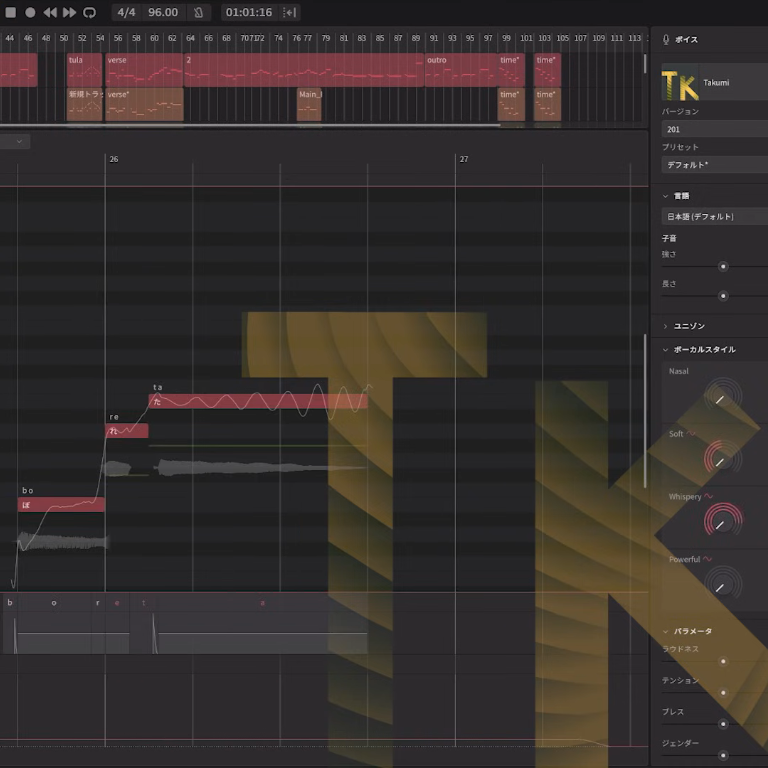
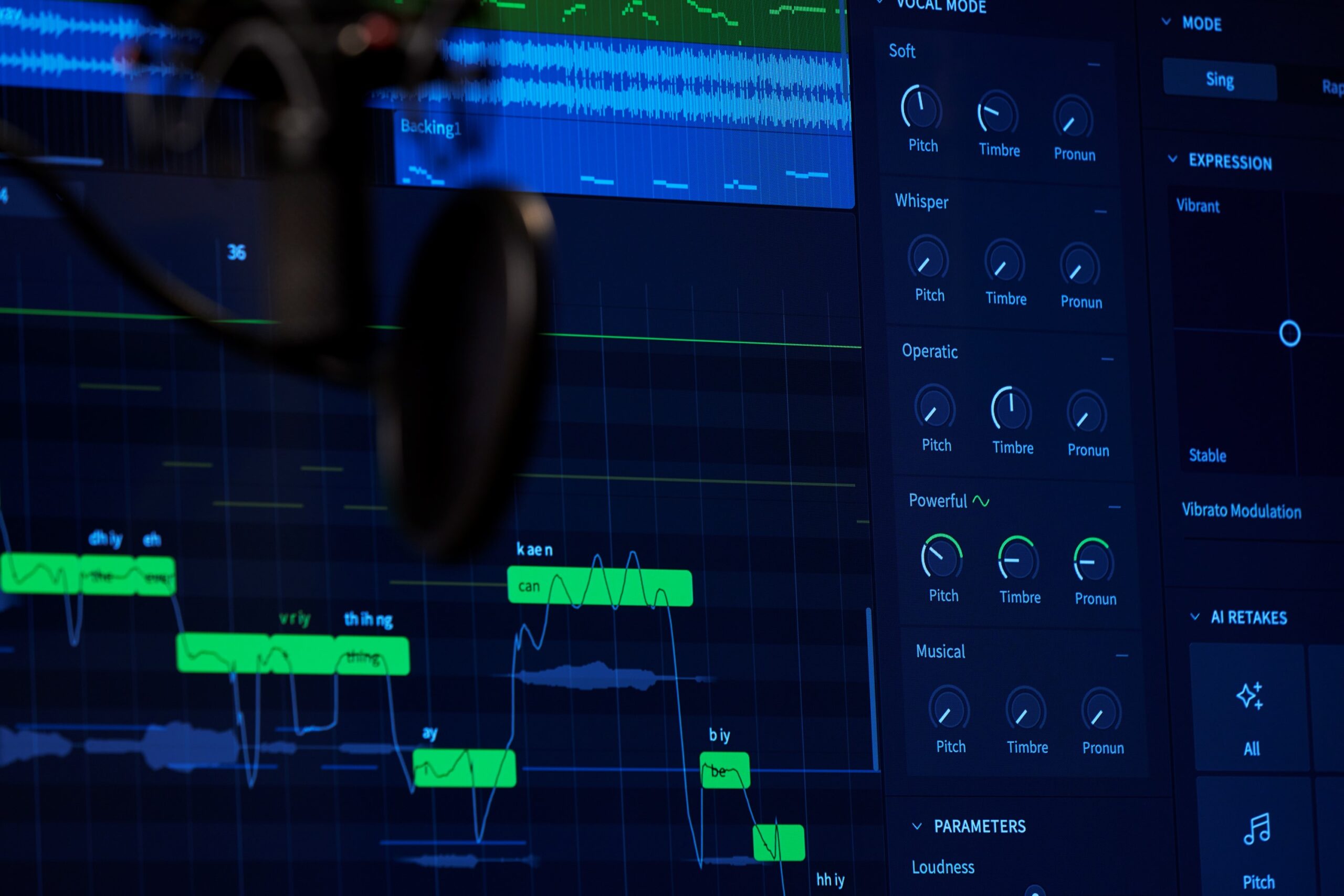
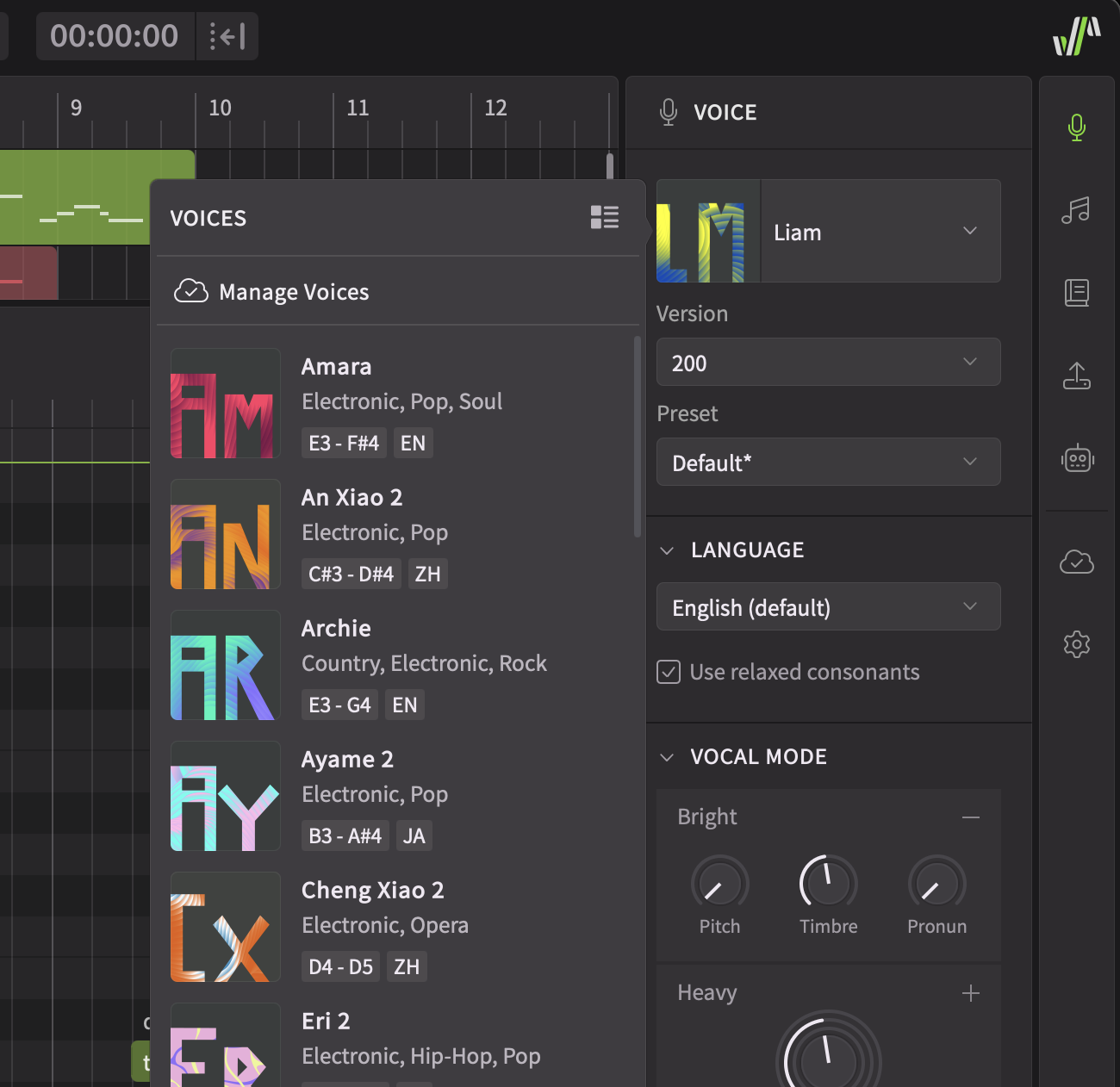
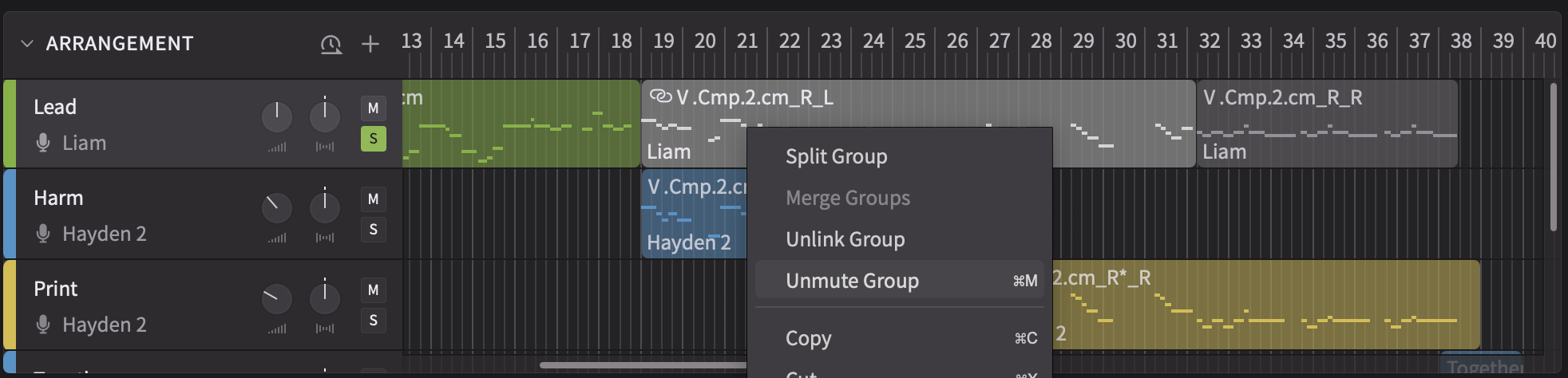
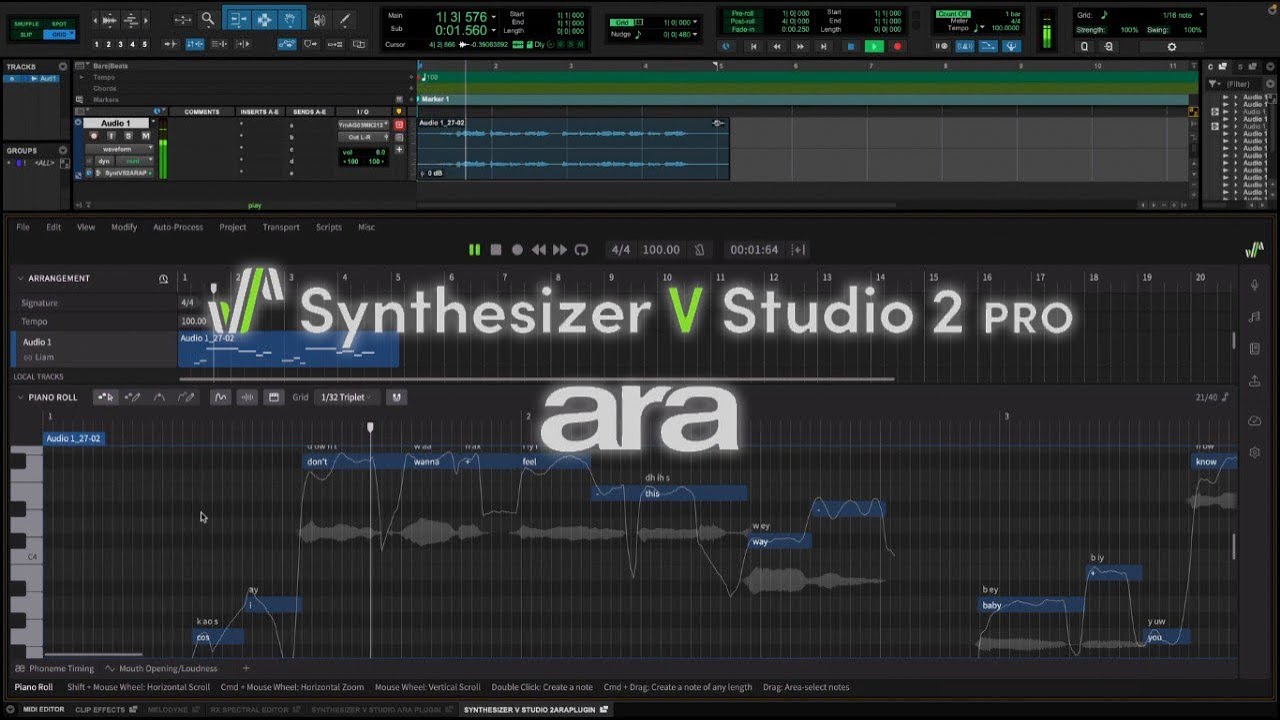
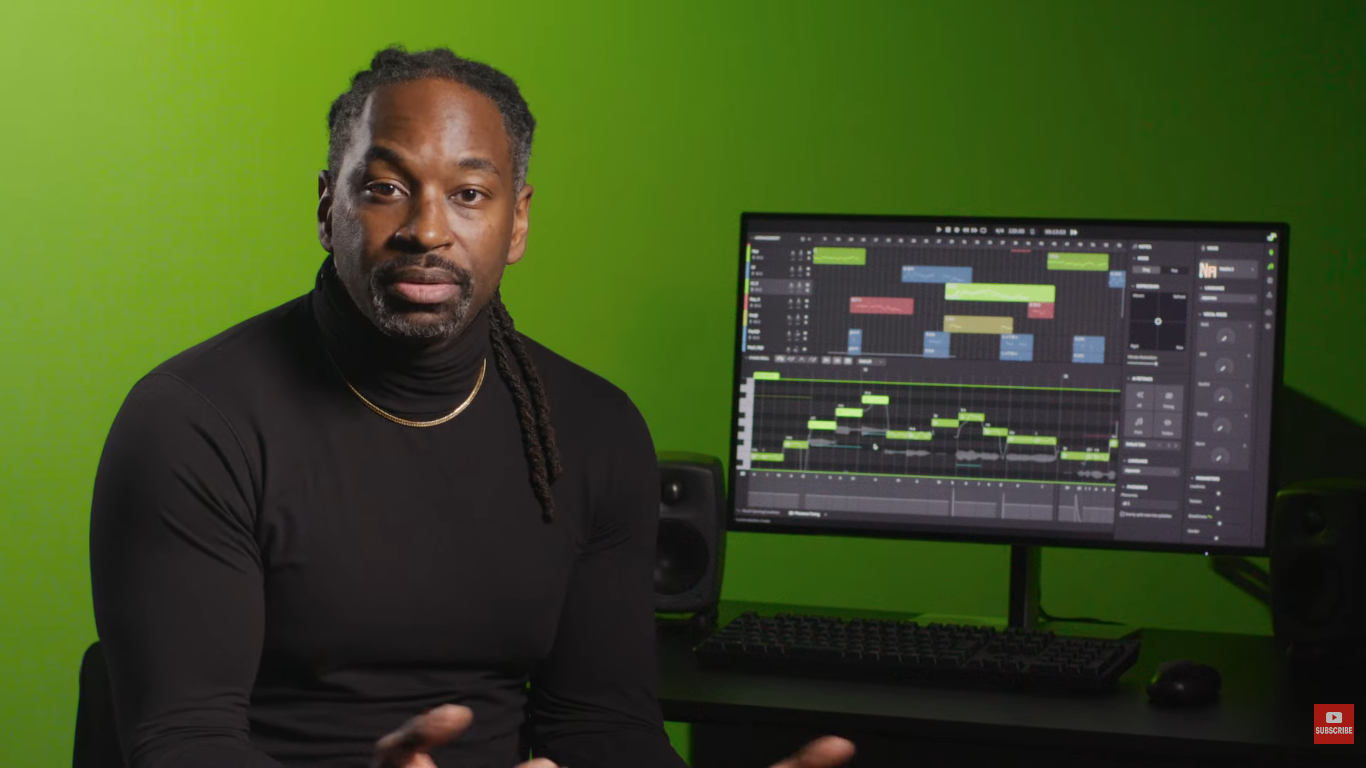
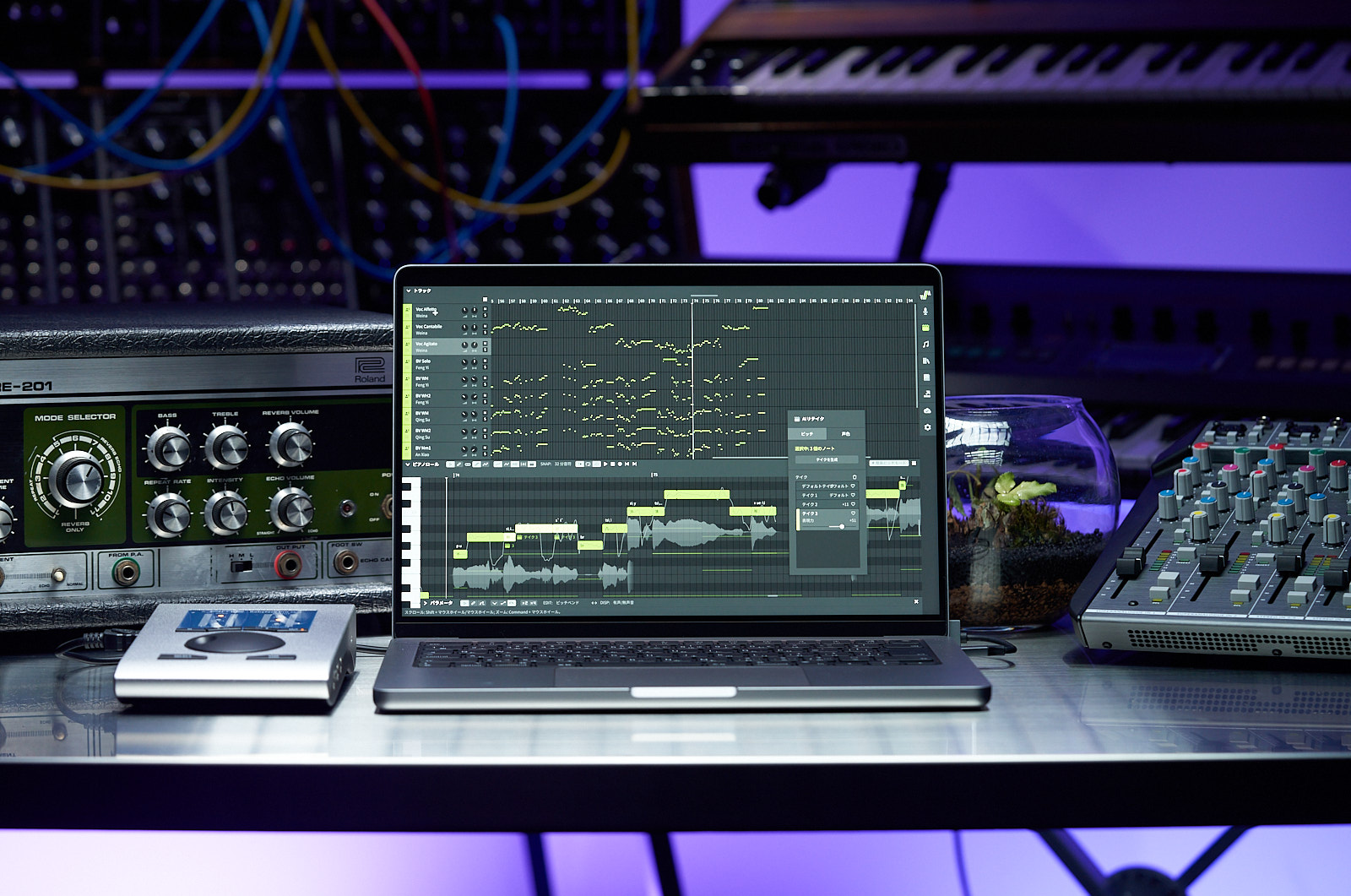
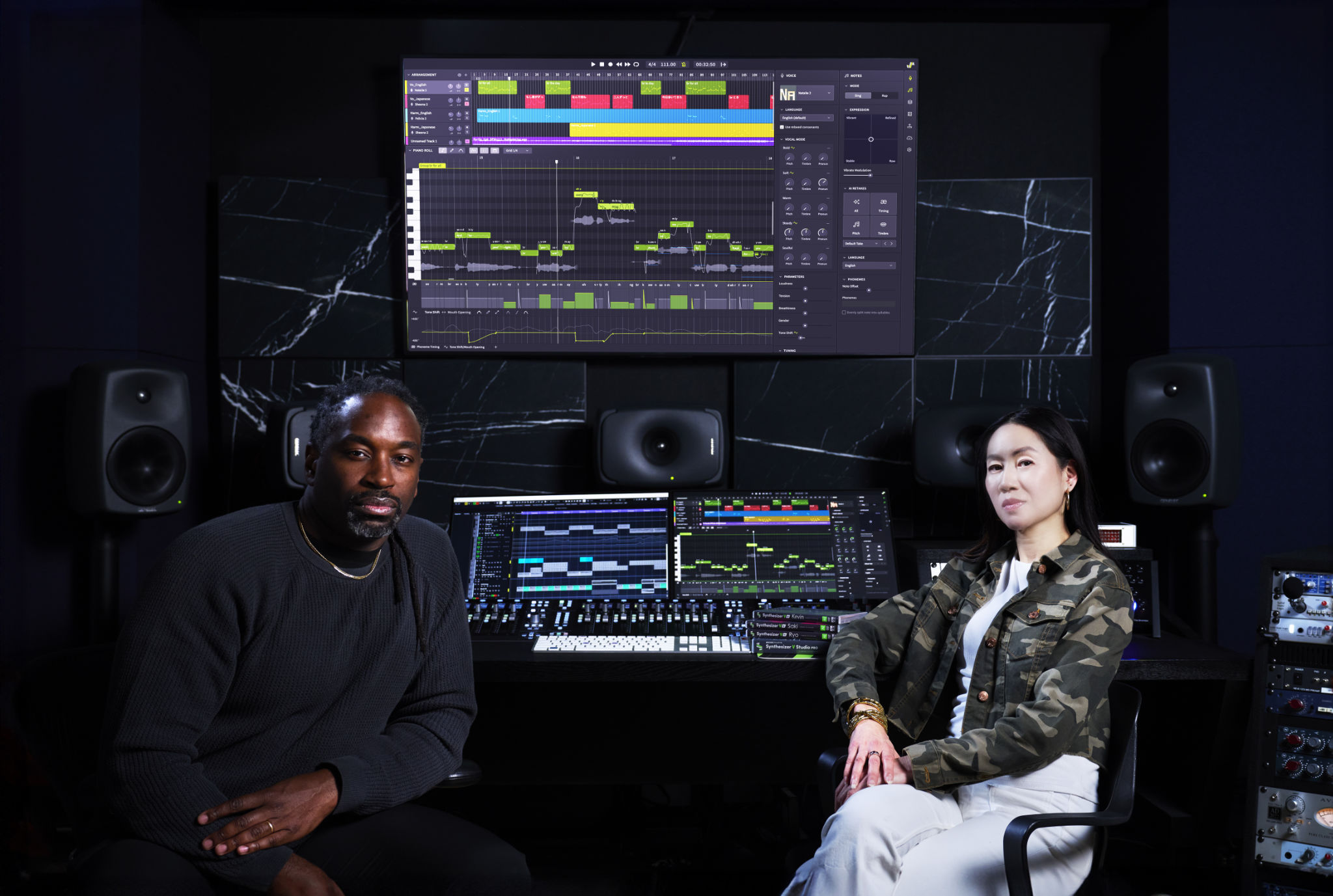
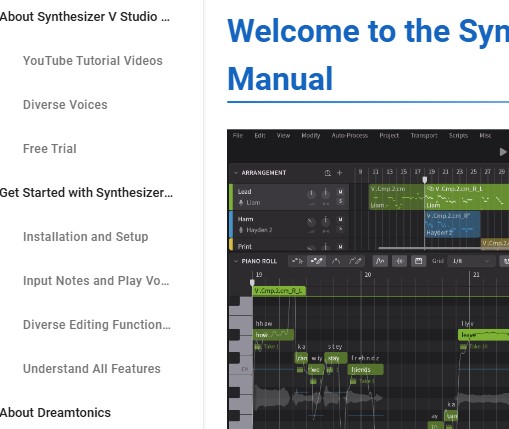
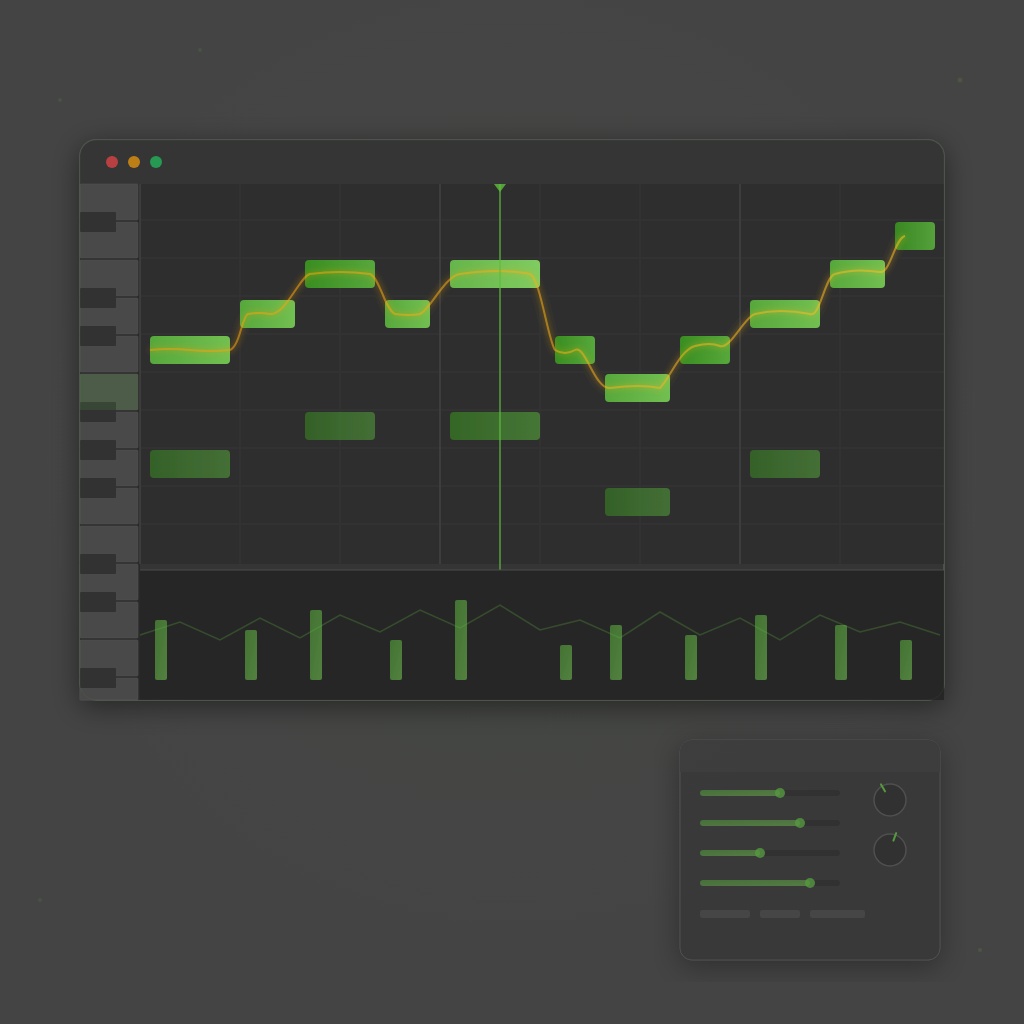
Let’s take Synthesizer V Studio 2 Pro as an example. As the musician, you write the melody, select the voice, and manipulate different parameters like pitch and expression, even though the neural engine is ultimately in charge of the vocal performance.
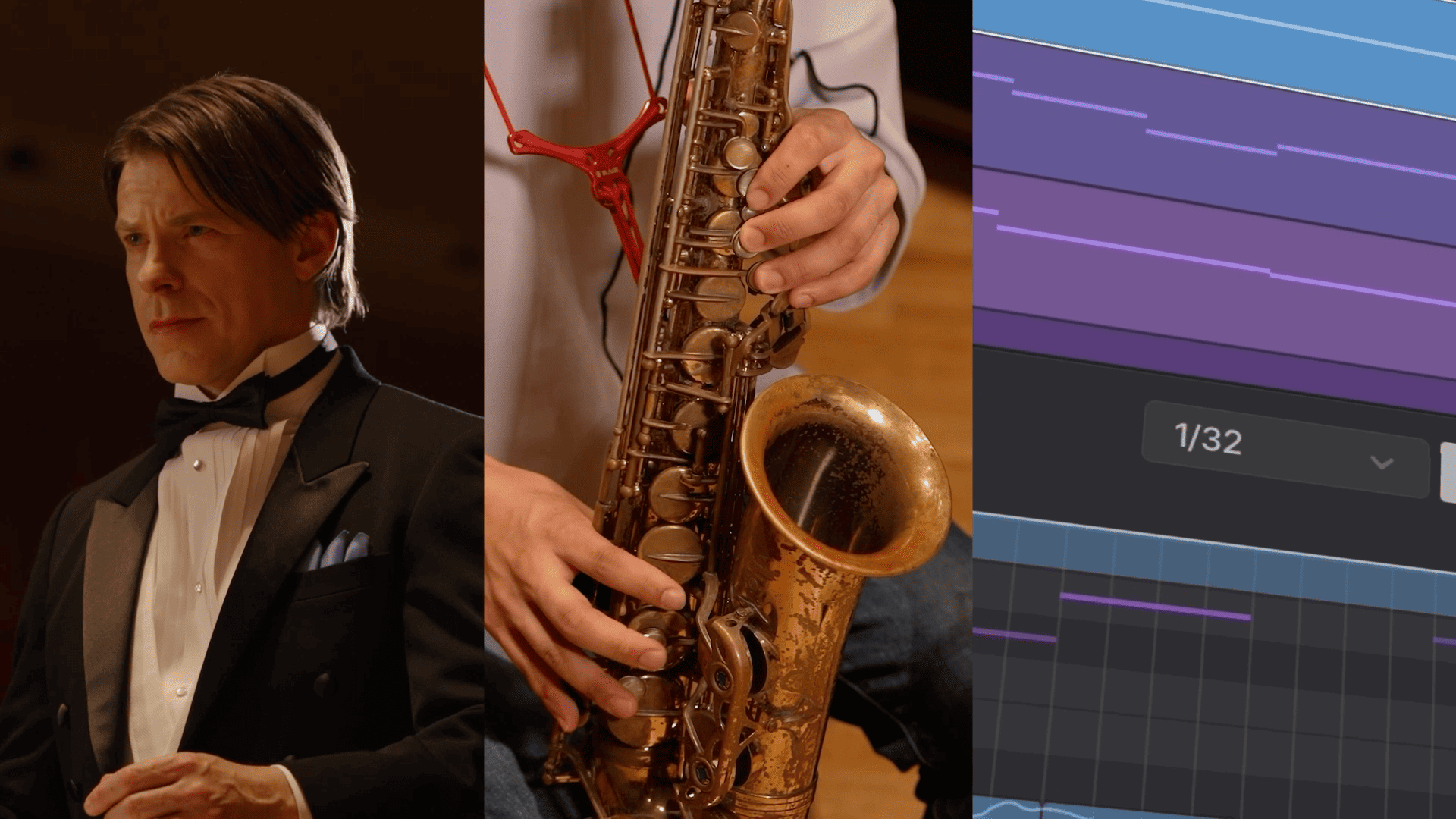
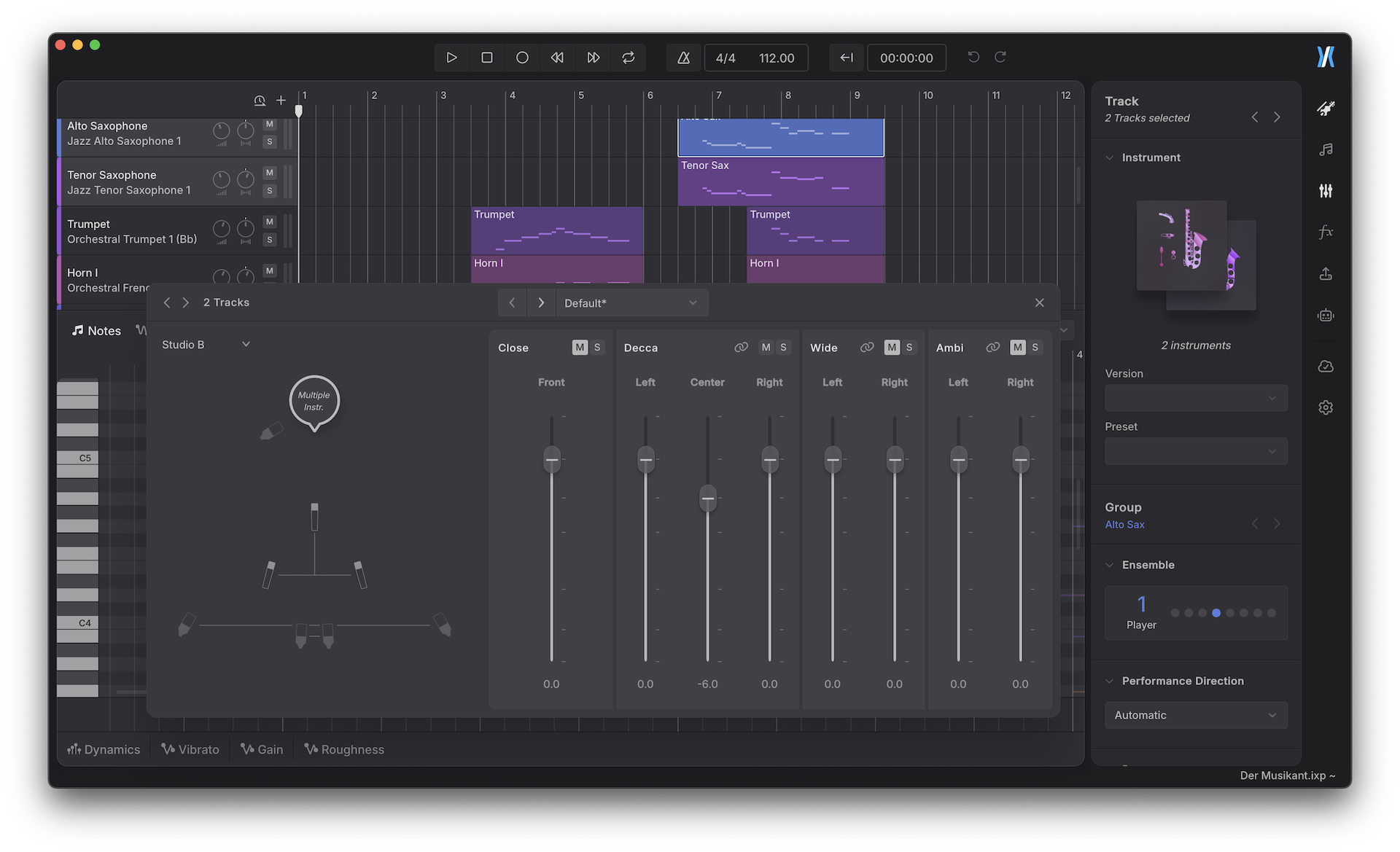
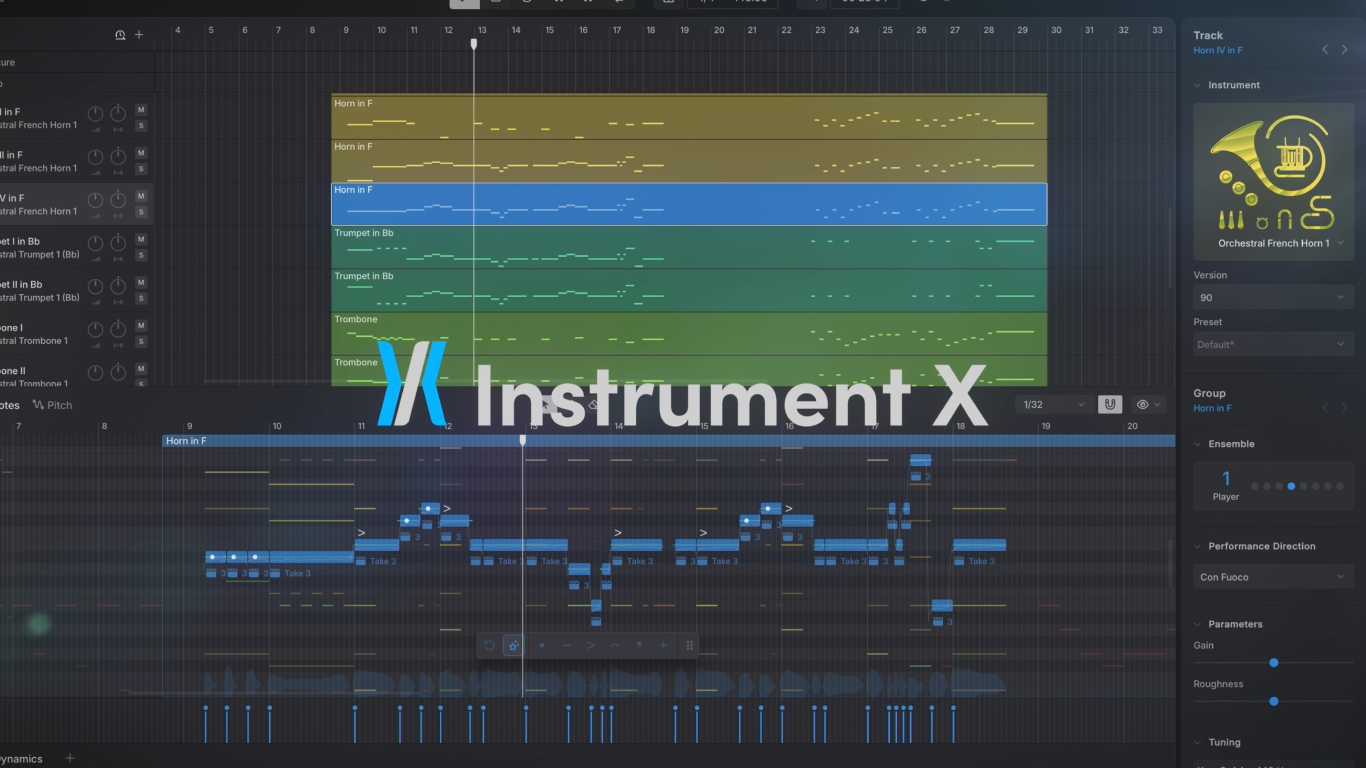
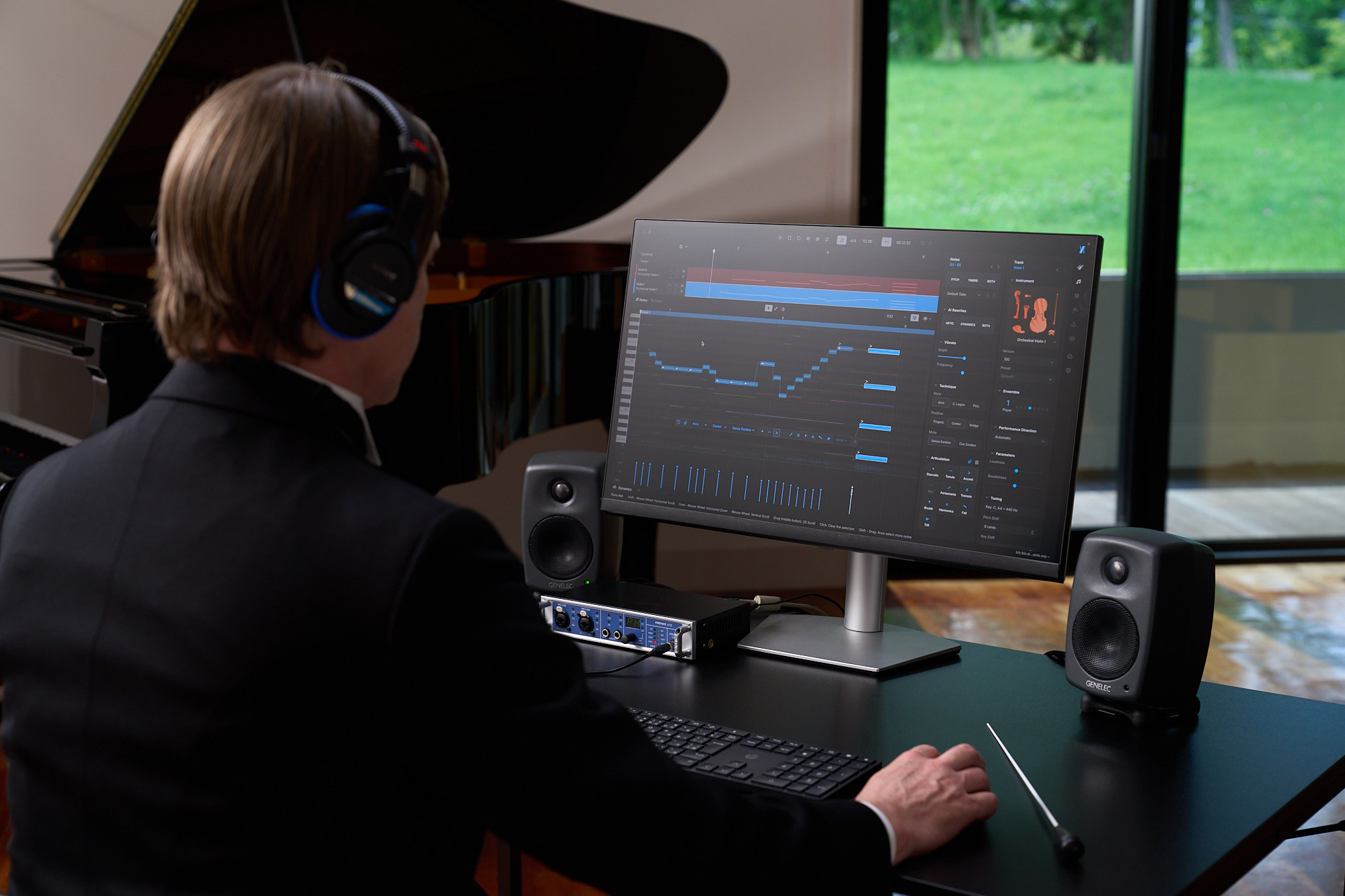
Similarly, with Instrument X, you provide the notation and other controls, like dynamics, articulations, pitch, and the microphone mix. The neural engine then takes that information and creates an acoustic performance.
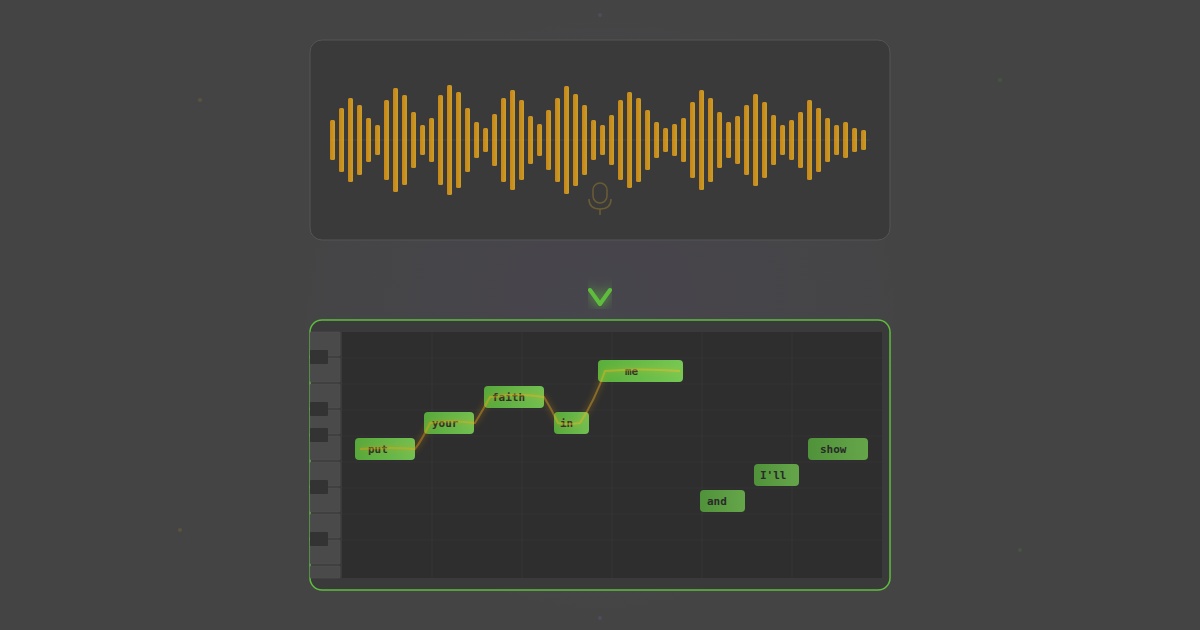
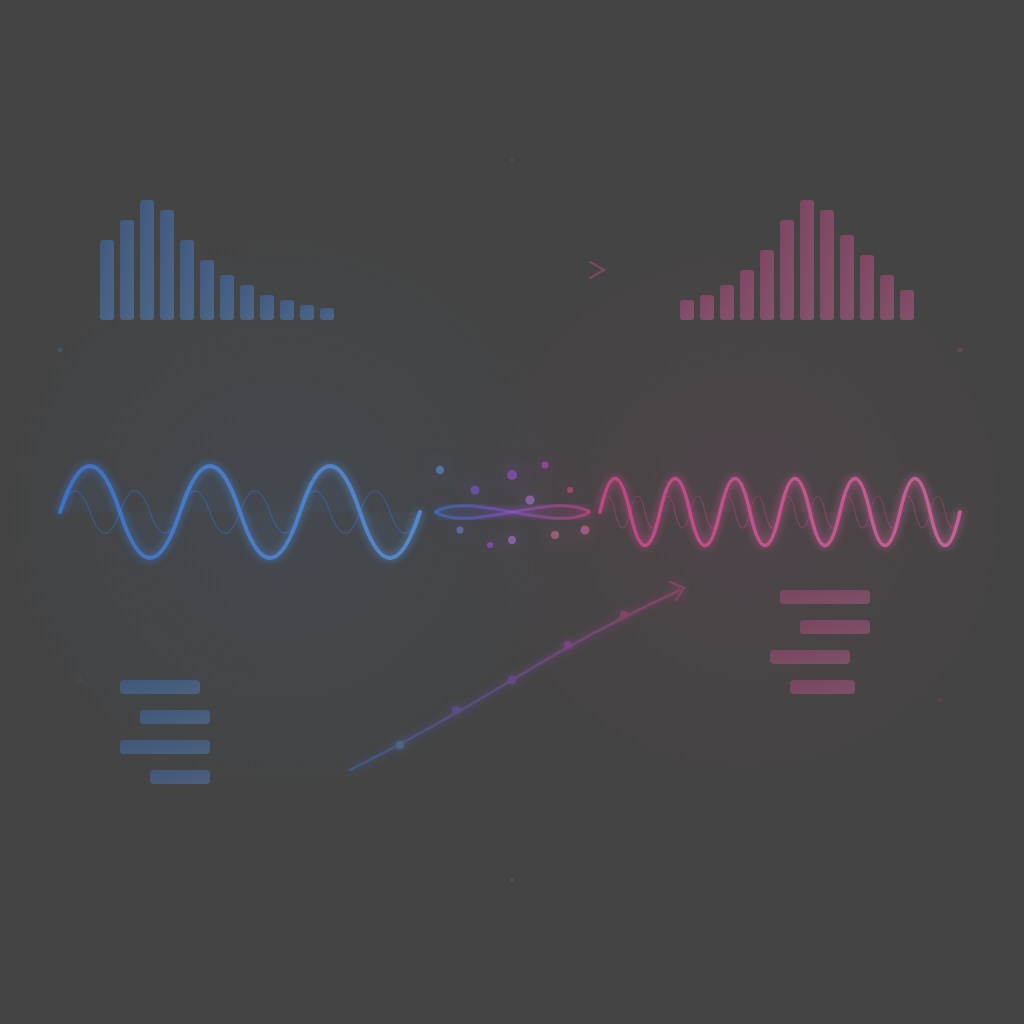
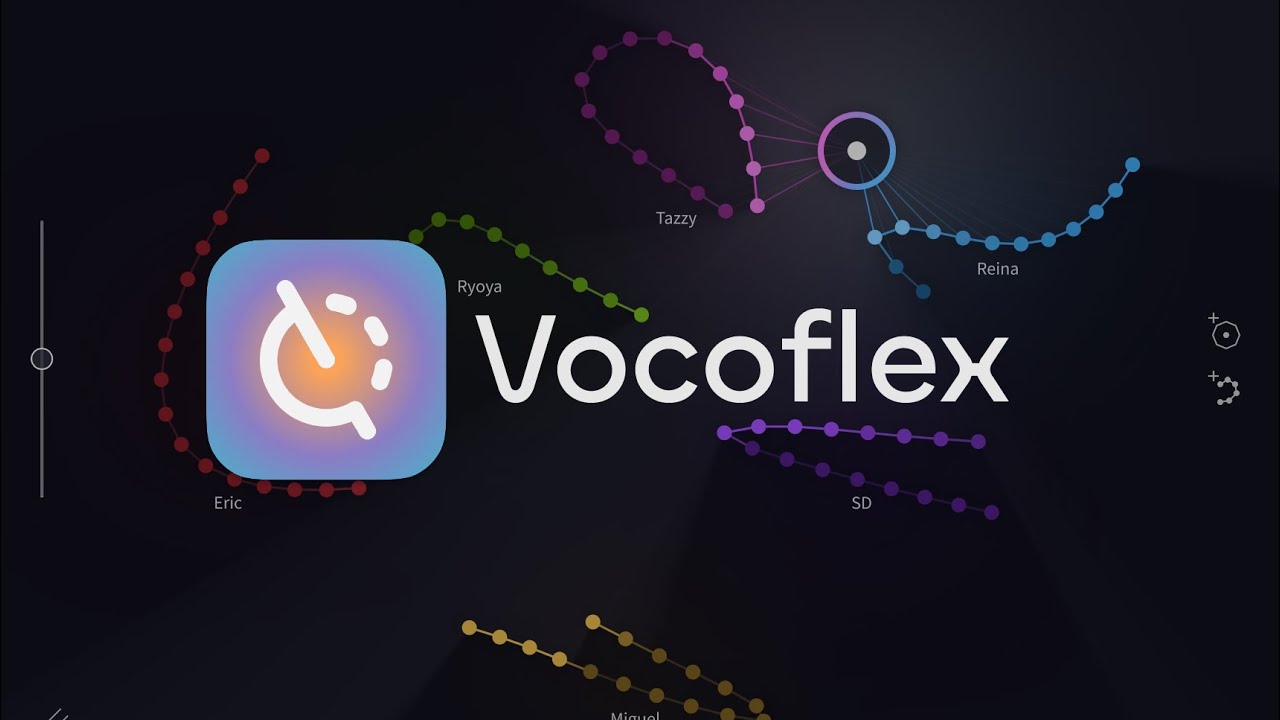
Vocoflex also works with a custom live performance. It just takes the voice and changes the timbre while keeping the expressive qualities of the performance intact.
In all three cases, AI is only handling a specific part of the production. You still have ultimate control over the performance aspects.
Why the AI music generator vs instrument distinction is so important
As music makers, it’s important for us to have this distinction as more and more AI technology finds its way into the musical zeitgeist. When AI is there to carry out decisions rather than make them for you, you have much more control over the end result.
You Keep Authorship of Every Note
With Instrument X or Synthesizer V Studio 2 Pro, you’re still in charge of writing each note or supplying melody and lyrics.
The software doesn’t need the neural engine to come up with anything for it to work.
If you change the melody, it’s because you decided to. If a chord needs to change or a phrase needs to be rewritten, you can make that decision within the context of the piece instead of asking the model to come up with another version.
You Keep Creative Control Over the Performance
Even once all the notes are down, you can still make adjustments to the performance.
Instrument X gives you the opportunity to shape the dynamics, edit pitch curves, stack multiple articulations, change the playing position of each instrument, adjust the microphone setup, or generate an AI retake of a passage you already composed.
Of course, not every AI tool has this much control. But the point is that you have control at all. In the right workflow, an AI tool can give you unique ways to fine-tune the performance you created.
Your Work Stays Revisable
This is probably one of the most important differentiators when it comes to real-world work in a session.
Let’s say a client asks you to make the second note of a chorus come in on the second bar instead of the first. If you had fully generated audio, you’d have to either regenerate that section, rewrite the prompt, or edit the stems and cross your fingers that the rest of the performance would align with that change.
With an editable arrangement, you have freedom to make any change you need.
Music copyright and AI
One question that seems to come up quite often is, “Is AI music copyrighted?”
While the laws are always subject to change, as of now, it depends heavily on the jurisdiction and how much human-authored expression is present.
Take the following as general information rather than legal advice.
Where the law currently stands on AI-generated work
In the United States, the Copyright Office has drawn a fairly clear line around human authorship.
Material created entirely by AI generally isn’t protected. The U.S. Copyright Office says prompts alone usually don’t give a person enough control over the expressive elements of the resulting work.
So, can you copyright AI music?
If there is human-written material, or sufficiently creative human selection, arrangement, or modification of AI-generated material, then yes.
The Copyright Office specifically notes that using AI as an assistive tool does not itself prevent copyright protection. But each work has to be considered individually.
Other countries have their own laws.
The UK still provides a special form of protection for certain computer-generated works without human authors. However, in its March 2026 report, the UK government emphasized protecting human creativity and noted strong support among consultation respondents for removing that special protection while retaining copyright for genuinely AI-assisted human work.
In the EU, copyright also typically depends on whether the final work reflects a person’s own creative choices.
Why training data licensing matters
For copyright’s sake, it’s also important to look at what the model was trained on.
You might have rights relating to a finished output. But there are completely different legal or ethical questions that apply to the material used to build the model.
Was copyrighted work included? Was it licensed? Did the performers consent? Were rights holders compensated? Is the source of the training material transparent?
The U.S. Copyright Office has an ongoing AI study that looks at these questions directly. As of now, there’s discussion around developing a market for voluntary licensing, as well as notes that certain AI systems are now trained entirely on licensed or public-domain material.
What this means for commercial releases
For musicians, keeping direct control over the composition and arrangement puts the workflow much closer to familiar AI-assisted creation than prompt-only generation. But that still isn’t a guarantee of copyright protection. The applicable law and the specific facts of the work matter.
There’s also the software license itself to consider.
Instrument X uses training data from ethically sourced, fully licensed recordings, and Dreamtonics permits its output in commercial releases. Dreamtonics-produced Synthesizer V voice databases can also be used commercially or noncommercially without a revenue limit, although partner voices may have different terms.
Vocoflex requires a little more care. You’re responsible for having the rights to the source voices you use, and publicly releasing an unauthorized replication of someone’s voice is prohibited. Partner Synthesizer V voices also can’t automatically be used with Vocoflex unless their licenses explicitly allow it.
What ethical AI music creation looks like in practice
Forget the marketing for a minute. If a company calls its product “ethical AI,” there are a few questions you should ask:
- Where did the training data come from?
- Did the performers or rights holders consent?
- What musical decisions does the AI actually make?
- Where does your audio go when you use the software?
- What rights do you have to the output?
Licensed Training Data and Consenting Performers
For any piece of AI software, it’s a good idea to start by looking for clear information about where the training material came from, whether it was licensed, and whether the people involved knew how their performances would be used.
Instrument X is trained on professionally recorded performances that were ethically sourced and fully licensed.
The licensed voice databases for Synthesizer V were also created with the help of professional singers who participated with consent, credit, and compensation.
Know Where Your Audio Goes
Training data is one question. But what happens to your music after you start using the tool in question?
Does your project have to be uploaded to a server? Is your audio stored? Can it be used for future training?
Instrument X, Synthesizer V, and Vocoflex run locally once activated and don’t require cloud processing or a dedicated GPU, so there’s no need to worry about working with sensitive client material or recordings you want to keep private.
Transparency About How the Model Works
AI music ethics also means understanding what kinds of decisions the model is making for you.
A generator may choose the melody, harmony, arrangement, or finished audio.
With Synthesizer V, you provide the melody and lyrics, and the model synthesizes the vocal performance. With Vocoflex, you provide the performance and the model changes its timbre. With Instrument X, you provide the score and the model renders it as an acoustic performance.
That creative division of labor should be easy to explain. If you can’t tell what the AI is actually deciding, it becomes much harder to judge how much creative control you really have.
How Dreamtonics builds instruments, not generators
You can see that instrument-first approach across all three of Dreamtonics’ current product families, even though each one uses AI for a different job.
Synthesizer V Studio 2 Pro
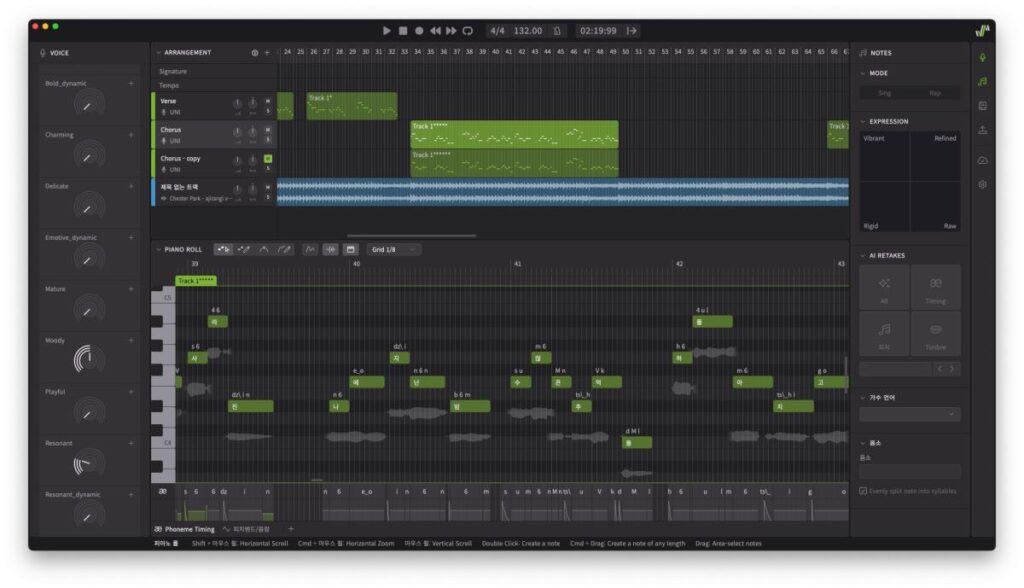
With Synthesizer V Studio 2 Pro, you start with the song. You can enter or import a melody, write the lyrics, choose a licensed voice, then customize all the little details like pitch, timing, dynamics, and expression.
AI is only in charge of the vocal rendering.
In other words, it generates a vocal performance, not the song.
AI Retakes can also give you alternate pitch or timbre interpretations of a passage, but you still decide what you want to change and how the vocal fits into the arrangement.
Vocoflex
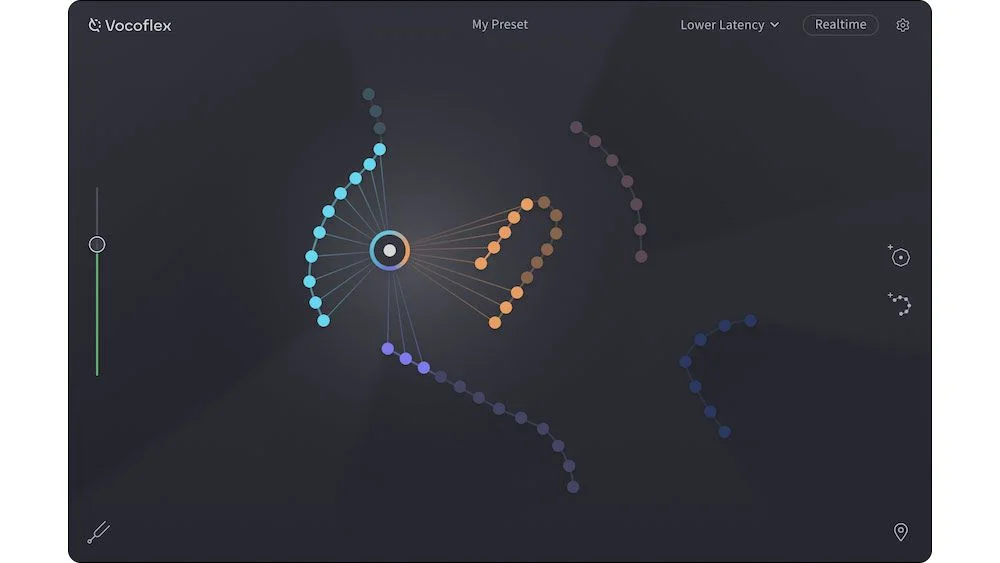
Vocoflex works differently. It starts with an existing vocal performance and one or more reference timbres, then transforms the voice while retaining qualities from the original performance, including pronunciation and expression.
It doesn’t write the melody or lyrics for you.
Because voice transformation raises different ethical concerns, Dreamtonics also builds safeguards into the workflow. Vocoflex requires user verification, prohibits unauthorized public voice replication, and adds an inaudible watermark tied to the user.
That watermark is intended to discourage misuse and help trace problematic altered voices.
Instrument X
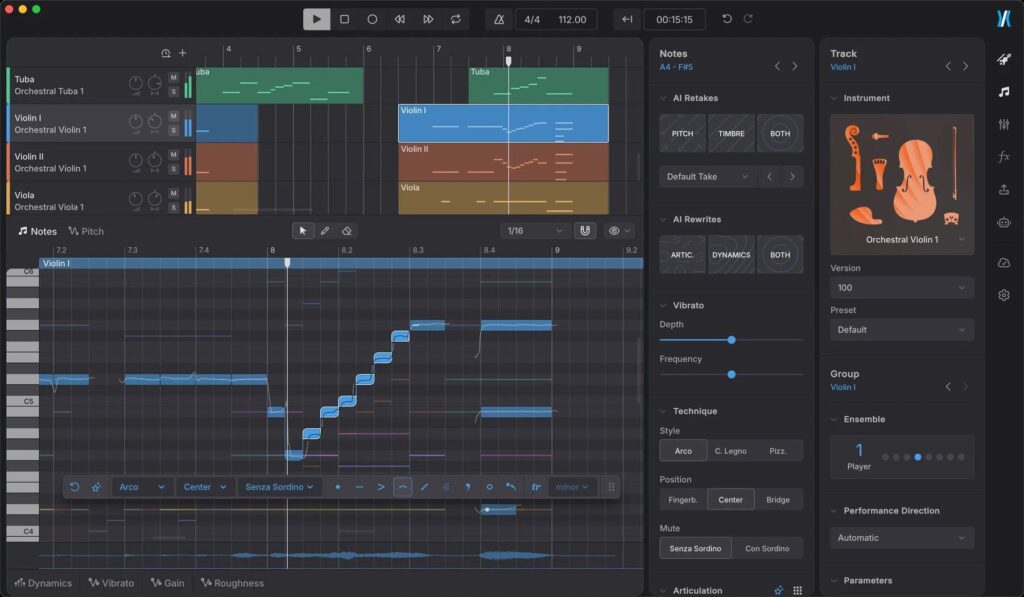
Instrument X brings the same idea to acoustic instruments.
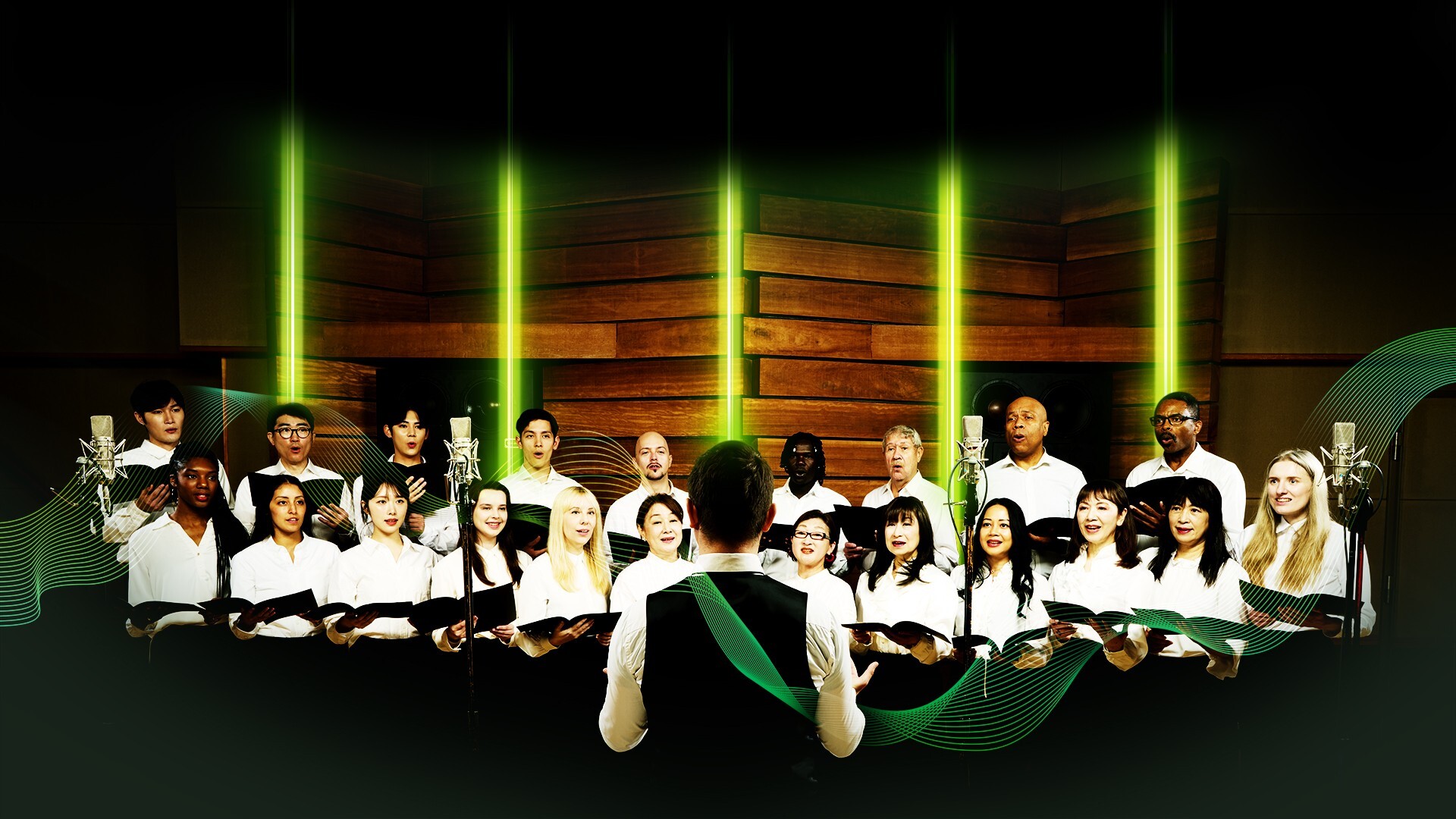
You write or import the notes via MIDI or MusicXML, then alter the performance using onboard articulations, pitch, dynamics, microphone perspective, and player or ensemble configuration.
You can then use AI Retakes, which essentially give you another performance of the chosen passage. Think about it like asking a session player for another take that you’ve written the music for.
No new composition is being written for you.
You will always be the musician
For decades, music technology has changed what musicians can do. In the 1950s, it was multitrack recording. By the 1980s, it was MIDI, and in the late 1990s, we got virtual instruments.
AI is just another category of tools. The important thing is where the creative decisions ultimately came from, and that’s how we continue moving forward with ethical AI music creation.
If you want to learn more about that approach, read about Dreamtonics or explore its products.